
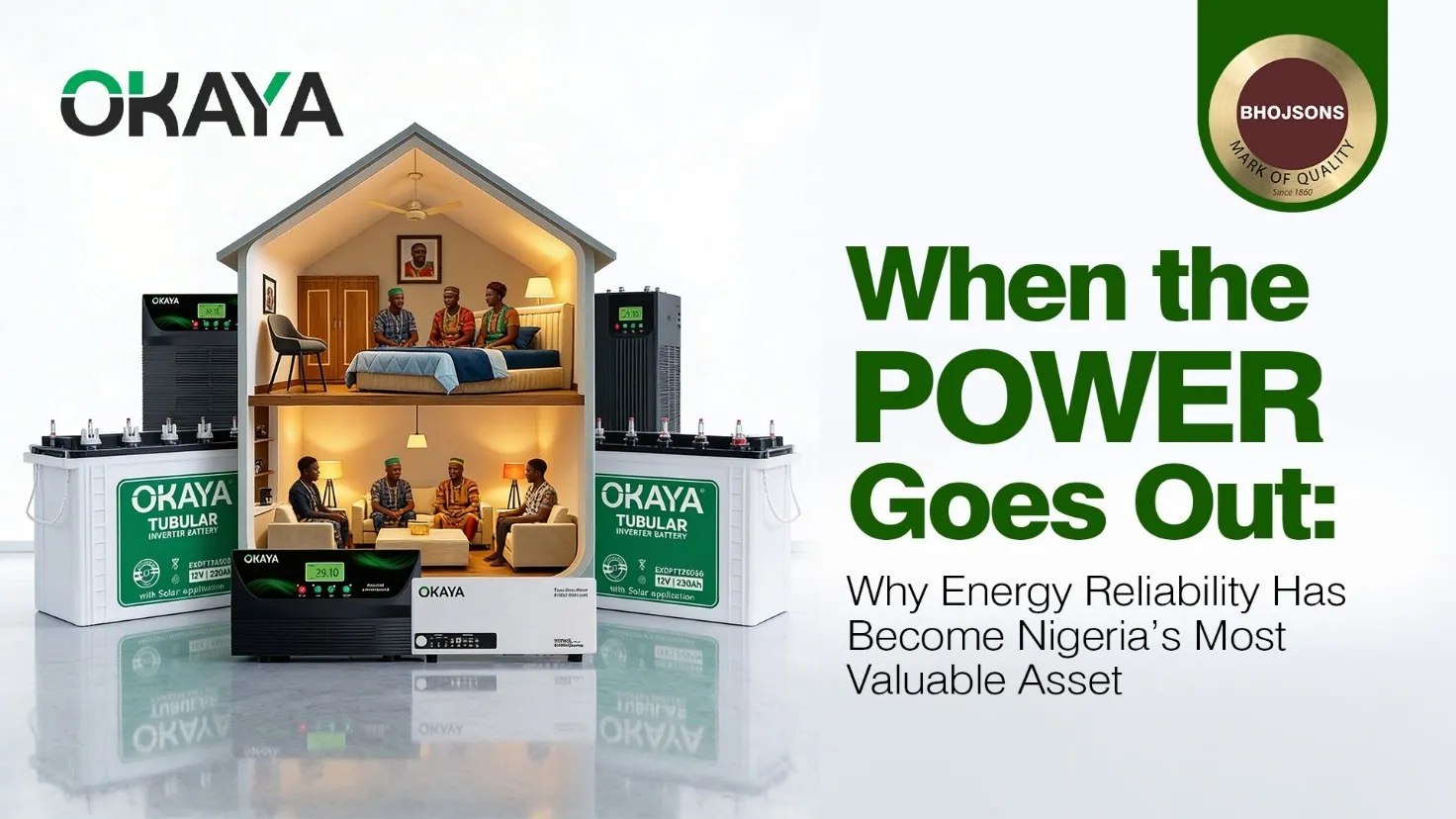
Energy Reliability Has Become Nigeria’s Most Valuable Asset
The Sound Every Nigerian Knows
There’s a moment every Nigerian recognizes instantly: the lights flicker, the fan slows and the silence hits. Then comes the sound- the hum of generators starting up across the neighbourhood.
Power outages in Nigeria are not occasional disruptions. They are part of daily life. And over time, they’ve reshaped how individuals, families, and businesses think about something as fundamental as electricity.
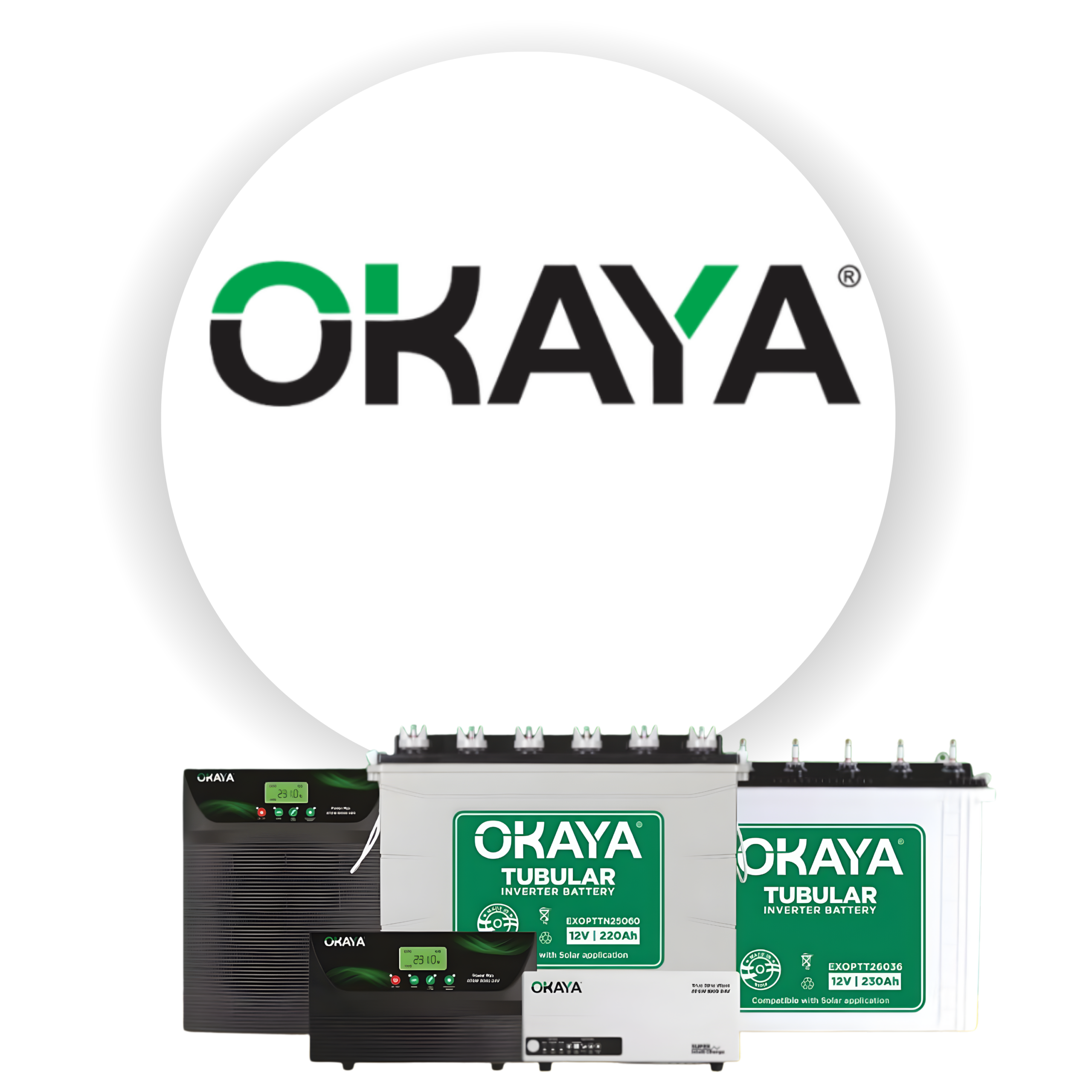
Today, energy is no longer just a utility, it is a personal responsibility and in this reality, brands like Okaya Energy, distributed by Bhojsons Group, are not just selling products, they are enabling continuity.
Nigeria’s Power Reality: The Gap Between Demand and Supply
Nigeria is Africa’s largest economy, but its power infrastructure continues to face structural challenges.
According to the World Bank, access to reliable electricity remains a major constraint to economic growth, with millions of Nigerians experiencing inconsistent supply [World Bank, 2021].
In practical terms, this affects:
- Households trying to maintain comfort
- Small businesses managing daily operations
- Hospitals ensuring critical care
- Schools supporting digital learning
The result is a shift in mindset; electricity is no longer something you receive. It is something you must plan for.
From Generators to Smarter Power: A Quiet Shift
For decades, generators have been the default solution to power outages. However, they come with trade-offs which include noise pollution, fuel costs, maintenance demands, and environmental impact. Today, a quieter, more efficient alternative is gaining ground- inverter and battery systems. These systems store energy, deliver seamless power during outages, operate silently and require less ongoing maintenance. This shift is not just technological, it is behavioural. Consumers are moving from reactive power solutions to proactive energy systems.
What Makes a Reliable Power Backup System?
Not all backup solutions are created equal. A truly effective system must deliver:
- Fast switch-over time (no interruption)
- Long battery life
- Efficient energy storage
- Durability under frequent outages
In Nigeria’s context, where outages can be frequent and unpredictable, these features are not luxuries. They are essentials. This is where Okaya Energy positions itself: delivering solutions built for real operating conditions, not ideal scenarios.
The Small Business Owner
Consider a small business owner running a retail shop in Lagos. Before adopting an inverter system:
- Sales were interrupted during outages
- Customers left due to discomfort
- Generator fuel costs ate into profits
After switching to a structured backup solution:
- Business operations became continuous
- Customer experience improved
- Operating costs became more predictable
The shift wasn’t just about power, it was about control.
The Hidden Cost of Power Interruptions
Power outages don’t just turn off lights, they disrupt systems.
For businesses, this can mean lost revenue, damaged equipment, reduced productivity and poor customer experience.
The International Energy Agency notes that unreliable electricity supply significantly impacts business efficiency and economic performance in emerging markets [IEA, 2020].
For households, the cost is less visible but just as real; disrupted sleep, food spoilage, reduced comfort and limited productivity.
Energy as a Lifestyle Decision
Today, choosing a power solution is not just a technical decision, it’s a lifestyle one. For families, it means quiet nights without generator noise; consistent cooling and lighting and; reliable home routines. For professionals working remotely this equals uninterrupted meetings, stable internet connectivity, and increased productivity. For businesses, this translates to predictable operations, improved customer satisfaction and better cost management.
Why Battery Quality Matters More Than You Think
Inverter systems are only as strong as the batteries behind them. A high-quality battery determines how long power lasts, how often replacements are needed, and overall system efficiency. Lower-quality batteries may degrade quickly, fail under heavy usage or increase long-term costs.
This is why brands like Okaya Energy focus on battery durability and performance consistency, because reliability is built from the inside out.
Sustainability: The Future of Power Backup
Globally, the conversation around energy is shifting toward cleaner alternatives, reduced emissions and smarter energy storage. The United Nations emphasizes the importance of sustainable energy solutions as part of achieving long-term development goals [UN, 2021].
In Nigeria, this translates into reduced dependence on fuel generators, increased adoption of inverter systems and integration with solar solutions.
The Role of Distribution and Support
A power solution is only as reliable as the support behind it. This includes:
- Proper installation
- Technical guidance
- After-sales service
- Product availability
This is where Bhojsons Group adds significant value, providing not just products, but a nationwide support ecosystem built on decades of experience.
The Real ROI of Reliable Power
Many buyers focus on upfront cost. But the real return on investment comes from reduced fuel expenses, lower maintenance costs, longer product lifespan, and consistent performance. In simple terms, reliability pays for itself over time.
Power Is No Longer Optional- Reliability Is
In today’s Nigeria, power is not guaranteed. But reliability can be. For homes, it means comfort. For businesses, it means continuity. For the economy, it means growth.
Through solutions like Okaya Energy (distributed by Bhojsons Group), energy is no longer just something you hope for. It becomes something you can depend on.
References
- World Bank. (2021). Access to Electricity in Nigeria.
https://www.worldbank.org/en/country/nigeria - International Energy Agency (IEA). (2020). Africa Energy Outlook.
https://www.iea.org - United Nations. (2021). Sustainable Energy for All Initiative.
https://www.un.org
Primary SEO Keywords: inverter battery Nigeria, power backup solutions Nigeria, energy reliability Nigeria, inverter systems Nigeria, backup power for homes and businesses